

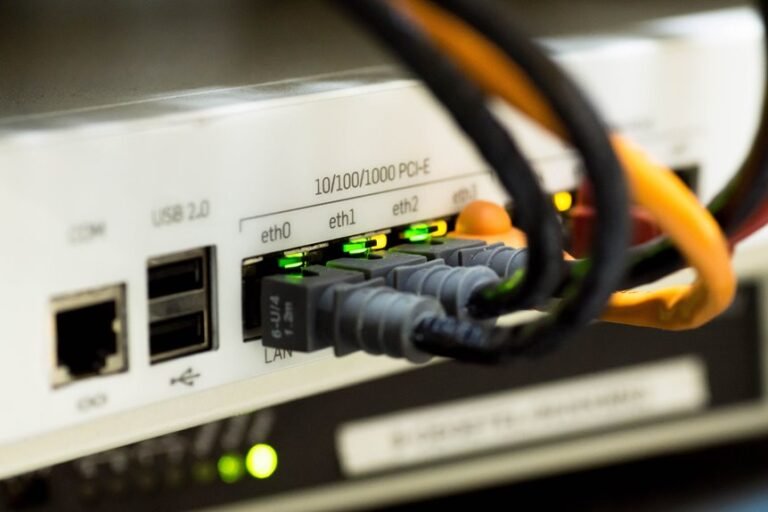
The communication network stability assessment file presents a structured approach to evaluating resilience across metrics such as jitter, latency, and packet loss. It emphasizes repeatable testing, baseline comparisons, and clear governance implications. The framework seeks to translate performance signals into actionable incident responses and stability improvements. With defined scope, objectives, and constraints, it invites scrutiny of how latency variance and loss distribution under load affect reliability, encouraging further examination of its practical applicability and outcomes.
What Is a Communication Network Stability Assessment?
A Communication Network Stability Assessment is a systematic evaluation of a network’s ability to maintain reliable performance under expected and adverse conditions. It delineates scope, objectives, and constraints, enabling objective judgment of resilience. Methodologies rest on conceptual frameworks and benchmarking methodologies, guiding reproducible analysis, risk prioritization, and governance. Results inform design, maintenance, and policy decisions, without unnecessary speculation or ambiguity.
Core Metrics to Measure Jitter, Latency, and Packet Loss
From the preceding discussion on stability assessment frameworks, this section outlines the core metrics used to quantify jitter, latency, and packet loss in a communication network.
Jitter is expressed as instantaneous delay variation, while latency measures end-to-end time; both inform quality of service.
Packet loss quantifies failed transmissions, with latency variance and loss distribution illustrating performance stability and reliability under load.
A Practical Framework for Stability Testing and Monitoring
In practical terms, a stability testing and monitoring framework defines a repeatable sequence of measurements, data collection, and interpretation that together characterize network performance under varying conditions. The framework emphasizes disciplined, repeatable experiments, continuous monitoring, and baseline comparison. It considers network topology and anomalous traffic as factors shaping test design, enabling objective assessment, reproducibility, and actionable recommendations for stability improvements.
Interpreting Results and Driving Incident Response Plans
Interpreting results and driving incident response plans require translating observed performance signals into actionable decisions; this involves distinguishing between normal variability and meaningful degradation, then prioritizing remediation steps.
The process supports network optimization by aligning remediation with measurable impact, and emphasizes risk prioritization to allocate resources efficiently.
Clear criteria, documented thresholds, and validated response playbooks ensure disciplined, timely containment and recovery across environments.
Frequently Asked Questions
How Is Stability Assessment Legally Compliant Across Jurisdictions?
Compliance frameworks and cross border regulations shape legal stability assessments, ensuring harmonized standards while respecting jurisdictional variance; they require rigorous risk governance, documentation, and due diligence, enabling consistent evaluation, accountability, and auditable processes across diverse regulatory environments.
What Is the Typical Cost Range for Full Assessments?
The cost range for full assessments typically spans mid-range to higher-end consultancy fees, depending on scope and complexity; governance practices and risk ownership influence pricing, with larger networks demanding broader, longer engagements and comprehensive risk documentation.
How Often Should Stability Audits Occur in Practice?
Audits should occur periodically, balancing risk and resources; frequency increases with instability indicators yet remains aligned to coherent metrics and governance alignment, ensuring continuity and learning, while avoiding unnecessary disruption in a freedom-oriented operational ethos.
Which Tools Are Best for Real-Time Anomaly Detection?
Real time anomaly detection benefits from modular, scalable tools with low latency. Network telemetry monitoring should be integrated, offering end-to-end visibility, adaptive thresholds, and explainable alerts, enabling swift insight while preserving freedom to explore diverse data sources.
How Is Stakeholder Buy-In Measured for Remediation Plans?
Stakeholder buy-in is measured via stakeholder engagement levels and remediation metrics, tracking participation, feedback quality, and commitment to timelines; analyses compare planned versus actual engagement, and remediation metrics quantify adoption, compliance, and sustained performance improvements across defined milestones.
Conclusion
The communication network stability assessment consolidates jitter, latency, and packet loss into a repeatable, objective framework for evaluating resilience under load. Methodical testing, baseline comparisons, and clear incident linkage enable principled governance and targeted improvements across topology and operations. Results are translated into actionable response plans, with monitoring driving continuous refinement. Do these measured signals, when aligned with predefined thresholds, illuminate the path from anomaly to enduring stability?