

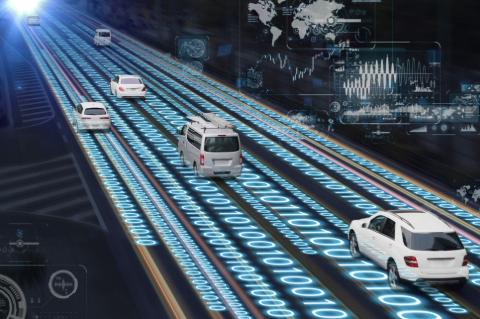
The integration of advanced technologies for traffic management is reshaping urban mobility. Smart traffic signals and real-time monitoring systems enhance traffic flow and improve safety for pedestrians. Data analytics enable cities to anticipate congestion and optimize resource allocation. Furthermore, the emergence of connected vehicle technology allows for seamless communication between vehicles and infrastructure. This evolving landscape raises critical questions about efficiency, safety, and the future of urban transportation systems. What implications do these advancements hold for city planners and commuters alike?
Smart Traffic Signals
Smart traffic signals represent a significant advancement in urban traffic management systems, integrating real-time data analysis and adaptive control mechanisms.
These systems optimize traffic flow by dynamically adjusting signal timings based on current conditions, thereby enhancing adaptive signal control.
Furthermore, they improve pedestrian safety by ensuring timely crossings and reducing wait times, promoting a balanced coexistence of vehicular and pedestrian movement in urban environments.
Real-Time Traffic Monitoring
Real-time traffic monitoring systems leverage advanced technologies to provide immediate insights into traffic conditions across urban landscapes.
Through traffic sensor integration, these systems collect and analyze data, enabling accurate congestion prediction. This information allows for timely interventions, optimizing traffic flow and enhancing mobility.
Consequently, real-time monitoring fosters a more responsive and efficient transportation network, promoting freedom of movement for all users.
Data Analytics for Urban Planning
As cities continue to expand, the integration of data analytics into urban planning becomes increasingly vital for informed decision-making.
Utilizing predictive modeling enhances the understanding of urban mobility patterns, enabling planners to optimize infrastructure and transportation systems.
This analytical approach fosters sustainable development, allowing for efficient resource allocation and improved accessibility, ultimately promoting a more liberated and interconnected urban environment for all residents.
See also: Technologies Powering Smart Cities
Connected Vehicle Technology
The evolution of urban mobility is increasingly influenced by connected vehicle technology, which facilitates communication between vehicles, infrastructure, and the environment.
This technology enables vehicle to infrastructure communication, enhancing traffic flow and safety. Moreover, it supports autonomous vehicle integration, allowing for real-time data exchange that optimizes routing and minimizes congestion.
Ultimately, connected vehicles promise to transform urban traffic management systems and promote greater mobility freedom.
Conclusion
In conclusion, the integration of advanced technologies in traffic management acts like a finely tuned orchestra, harmonizing the flow of urban mobility. Smart traffic signals, real-time monitoring, and connected vehicle technology collectively optimize traffic flow and enhance safety. By leveraging data analytics, cities can proactively address congestion and improve transportation efficiency. As these systems evolve, they promise a future where urban environments are more responsive, efficient, and conducive to the needs of all road users, fostering safer communities.