

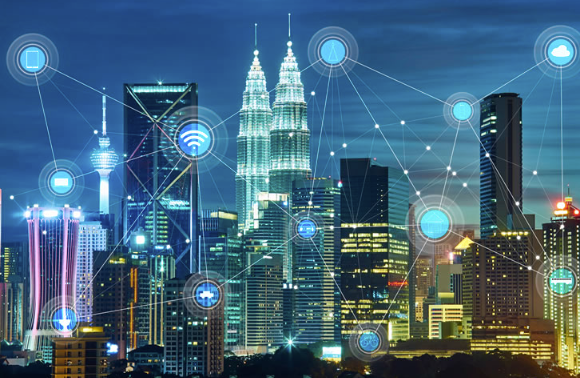
The integration of advanced technologies is transforming urban landscapes into smart cities. The Internet of Things (IoT) facilitates real-time data collection, enhancing efficiency in resource management. Meanwhile, big data analytics supports urban planners in decision-making processes. Artificial intelligence optimizes traffic systems, while renewable energy solutions contribute to sustainability. Together, these elements create a dynamic urban environment. However, the challenges and implications of these technologies remain to be examined.
Internet of Things (IoT) Applications
As urbanization accelerates globally, the integration of Internet of Things (IoT) applications in smart cities presents a transformative opportunity to enhance urban efficiency and sustainability.
Smart sensors facilitate real-time data collection, optimizing resource management. Meanwhile, connected vehicles enable seamless communication with infrastructure, reducing congestion and emissions.
Together, these technologies foster a more liberated urban experience, empowering citizens with enhanced mobility and improved quality of life.
Big Data Analytics for Urban Planning
Big Data Analytics plays a pivotal role in shaping the future of urban planning, providing urban planners and policymakers with the tools needed to make informed, data-driven decisions.
By leveraging predictive modeling and spatial analysis, cities can anticipate growth patterns, optimize resource allocation, and enhance infrastructure development.
This data-centric approach empowers stakeholders to create sustainable, efficient urban environments that prioritize the needs of their citizens.
Artificial Intelligence in City Management
While urban environments face increasing complexities, the integration of Artificial Intelligence (AI) into city management offers transformative solutions.
AI facilitates automated traffic systems, optimizing flow and reducing congestion. Additionally, predictive maintenance algorithms analyze infrastructure health, enabling proactive repairs and minimizing service disruptions.
These advancements enhance operational efficiency, ensure resource allocation, and empower city planners to create more responsive and sustainable urban landscapes.
See also: How Horse Racing is Affecting the Global Gambling Industry
Renewable Energy Solutions and Smart Grids
How can urban areas transition to more sustainable energy sources while ensuring reliability and efficiency?
Integrating solar energy systems into smart grids enables cities to harness renewable resources effectively.
Coupling these systems with advanced energy storage solutions not only mitigates intermittency challenges but also empowers consumers with autonomy over energy usage.
This synergy fosters a resilient, decentralized energy framework that aligns with the principles of freedom and sustainability.
Conclusion
In the intricate tapestry of smart cities, each technological thread—IoT, big data, AI, and renewable energy—symbolizes a vital cog in the urban machine. Together, they weave a narrative of efficiency and sustainability, heralding an era where cities pulse with life and intelligence. As these innovations converge, they not only illuminate pathways to improved living standards but also serve as beacons of resilience, guiding urban environments toward a harmonious coexistence with nature and human endeavor.